THE TIMBER GUIDE

Every wood has a purpose.

Applications depend on exact species, grade, seasoning, treatment and construction. Use this guide as a starting point and confirm details with your timber supplier.

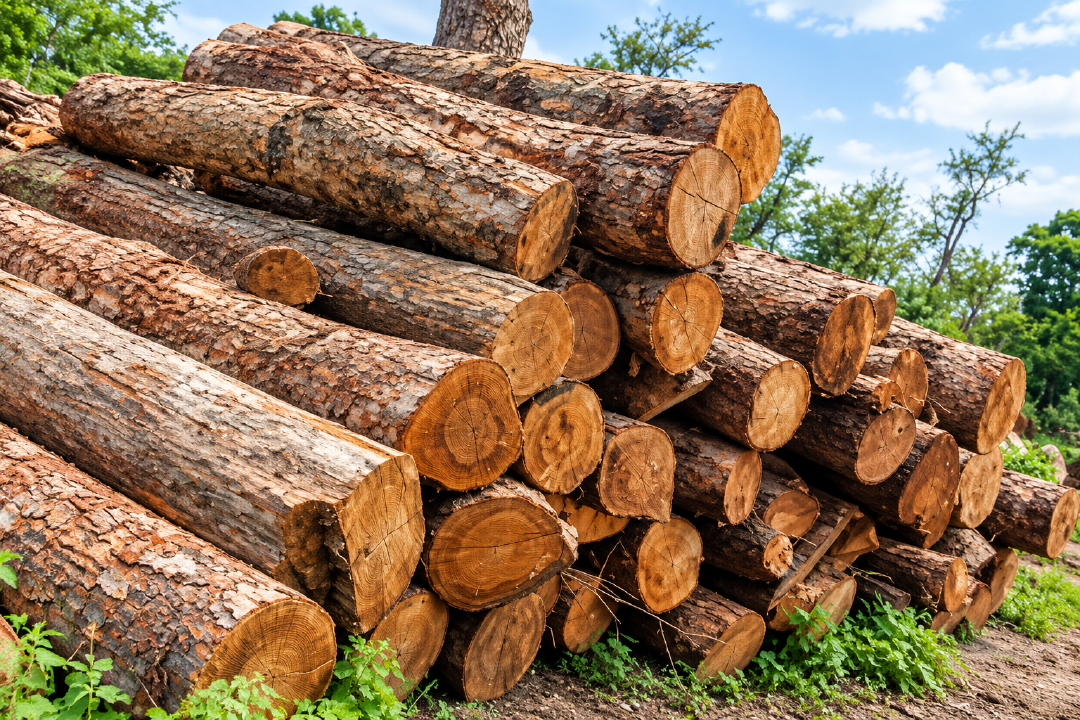
Eucalyptus logs stacked in a timber yard

Eucalyptus

Practical timber with a clean, understated natural look.

Eucalyptus includes many species with different properties. Properly seasoned and graded stock can be used in joinery and selected door components. Drying and moisture control are important because some stock may move or crack if poorly seasoned.

Doors it may suit

  • Framed-and-panel interior doors
  • Paint-finished doors
  • Door frames, rails and stiles when grade is suitable
  • Selected engineered door-core components

Design ideas

  • Minimal modern panel doors
  • Natural matte or stained finish
  • Painted flush-door construction
Rosewood logs with reddish heartwood

Rosewood

Deep reddish-brown tones and expressive grain for premium decorative work.

“Rosewood” may refer to different species. Where legally sourced and appropriate for the application, its distinctive appearance can be used as a feature rather than hidden structural material.

Doors it may suit

  • Premium solid-wood feature doors
  • Decorative panels and inlays
  • Veneer-faced designer doors
  • Accent trims and ornamental details

Design ideas

  • Luxury statement entrances
  • Satin or polished natural finish
  • Simple profiles that highlight the grain
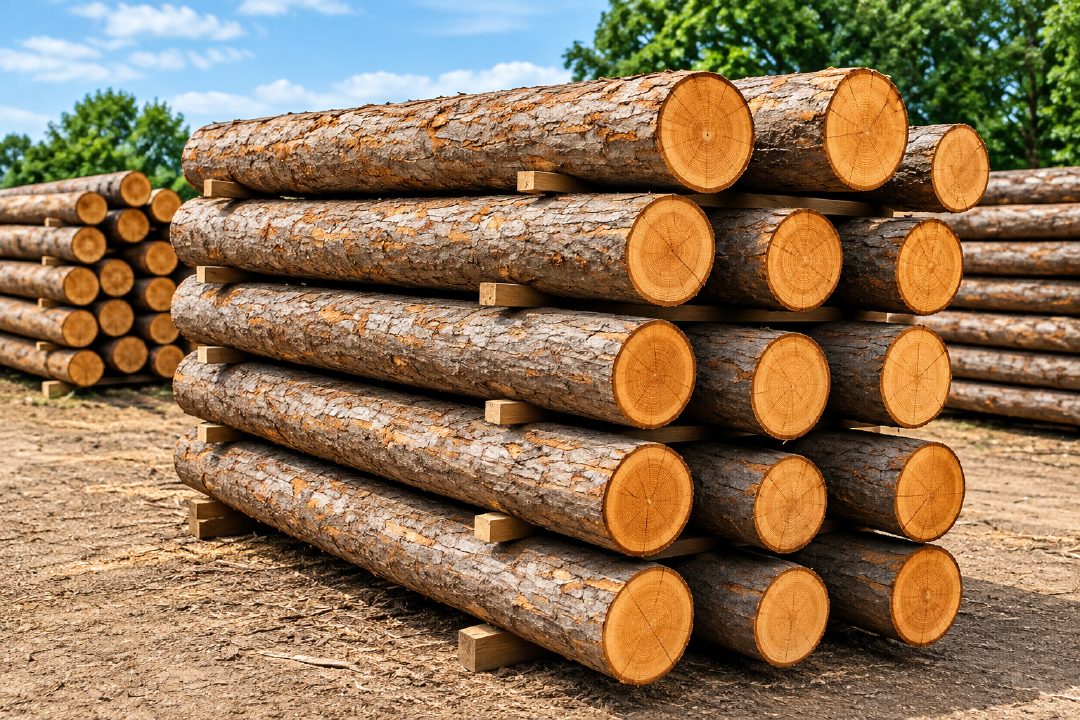
Rough timber logs stacked outdoors

Koka Wood

A trade name that may vary by region and supplier.

“Koka” is not a universally consistent botanical name, so strength, durability and workability should not be assumed from the name alone. Ask your supplier for the actual species and recommended uses before choosing it for a door.

Possible applications*

  • Framed-and-panel doors
  • Interior rails, stiles or components
  • Decorative panels with an approved finish
  • Painted or stained doors if timber quality allows

Check before ordering

  • Exact local or botanical name
  • Moisture content and seasoning
  • Knots, cracks and grain direction
  • Sample with the final finish
Golden brown teakwood logs

Teakwood

Warm golden-brown colour, distinctive grain and natural oils.

Good-quality teak is widely valued for premium joinery. Its colour changes with age and finish, and careful seasoning and construction help manage natural wood movement. Sourcing and grade should always be checked.

Doors it may suit

  • Main entrance and solid-panel doors
  • Traditional framed-and-panel doors
  • Carved designer doors
  • Teak veneer on engineered panels

Design ideas

  • Natural oil or clear satin finish
  • Classic, carved or contemporary profiles
  • Premium entrances with coordinated hardware
FROM MATERIAL TO PRODUCT

Which doors can be made from it?

Common door styles and how timber or engineered wood products may be used in them.

Solid / Panel Door

Made from solid timber components or panels. Teak and other suitable, identified hardwoods can be used for premium versions.

Teakwood · Suitable hardwoods

Flush Door

Smooth faces over a frame or core. Timber may form the frame; the face may be veneer or another specified sheet material.

Eucalyptus components* · Engineered core

Carved Designer Door

Carving needs suitable, stable timber and enough thickness. Decorative veneers or applied panels are alternatives.

Teakwood · Rosewood details*

Wood & Glass Door

A timber frame combined with glass panels. Choose wood, glazing and hardware for the door's location and safety needs.

Suitable hardwoods · Custom finish

Veneer-Finish Door

A thin real-wood veneer bonded to an engineered substrate creates a natural timber appearance with controlled construction.

Teak veneer · Rosewood veneer*

Modern Minimal Door

Flat faces, subtle grooves or linear details. The look can be made with veneer, laminate or paint over a suitable door construction.

Suitable timber components* · Engineered door

*Only when the exact species, grade, seasoning and construction are suitable. Verify rosewood sourcing and identify “Koka” with your supplier.

UNDERSTANDING PLYWOOD

Timber logs and plywood are not the same.

Plywood is an engineered sheet made by bonding thin wood veneers in layers, usually with adjacent grain directions crossed. Suitable logs are peeled into veneers, dried, assembled with adhesive and pressed. The species used depends on the manufacturer and product grade.

01 Log selection→02 Veneer peeling→03 Layering & bonding→04 Pressing

In doors, plywood may be used as a panel, substrate or component in some constructions. Many flush doors use a frame and core with specified face sheets; construction varies by product. Select plywood by its declared grade and intended interior or exterior use—not appearance alone.

LAYERED VENEER STRUCTURE
Engineered for consistency

BEFORE YOU ORDER

Choose with confidence.

01

Confirm the species

Ask for the actual wood name, not only a market nickname.

02

Check seasoning

Proper drying helps reduce movement and defects.

03

Match the use

Interior and exterior doors have different requirements.

04

Approve a sample

Check grain, colour, carving and finish before production.

ICONIC / MATERIALS & DOORS

The right timber makes
every entrance memorable.

Explore timber options, door styles and finishes according to your project requirements.